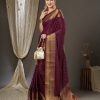
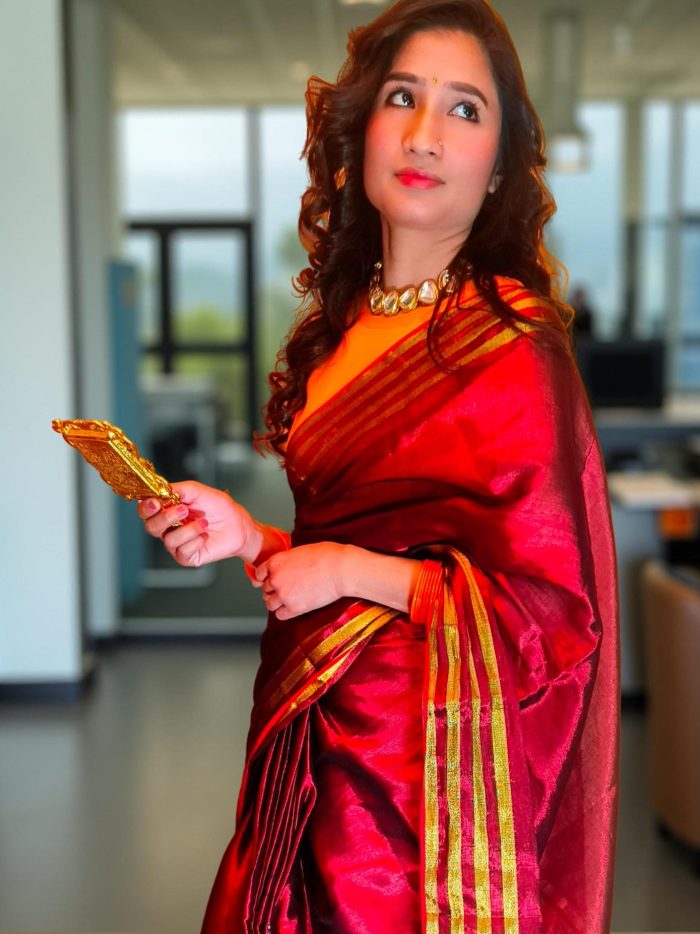
The saree — six to nine yards of pure tradition — is not just a garment; it is a living art form passed down through generations of Indian women. Whether you are draping a pure Mul Cotton saree for a casual morning or a resplendent silk tissue saree for your best friend’s wedding, the way you drape it changes everything — your silhouette, your confidence, and your cultural statement.
India is home to over 80 regional draping styles, each telling the story of a distinct landscape, community, and way of life. In 2025, as Indian fashion enjoys a powerful global revival, knowing more than one draping style is not just elegant — it is empowering. This comprehensive guide walks you through the most important saree draping styles every woman should have in her repertoire, with step-by-step tips and the best fabric choices for each look.
Why Your Saree Draping Style Matters More Than You Think
Before we explore the styles, let us understand why draping technique is so transformative. The same organic linen saree can look ultra-modern in a pant-style drape or classically traditional in a Nivi drape. Draping affects:
- How your body proportions appear
- The formality or casualness of your look
- How comfortable and mobile you feel throughout the day
- Whether the saree suits the occasion — office, wedding, festival, or beach
- How much of the blouse, border, and pallu design is visible
Choosing the right draping style is as important as choosing the right saree. At Satyugi, every saree in our collection — from breezy cotton sarees to statement tissue sarees — is designed with drapability in mind, so each fold falls perfectly.
1. The Nivi Drape — The Classic That Never Goes Out of Style
What Is the Nivi Drape?
Originating in Andhra Pradesh, the Nivi drape is the most widely worn saree style across India today. It is the default drape taught in schools, worn in offices, and seen at celebrations. The pallu is draped from the right hip across the body to rest elegantly over the left shoulder.
How to Drape the Nivi Style (Step-by-Step)
- Tuck one end of the saree into the petticoat at the centre front, and wrap it around the body once.
- Make 5–7 even pleats of about 5 inches each and tuck them into the petticoat, angled slightly to the left.
- Bring the remaining fabric around the body and drape the pallu over the left shoulder.
- Secure the pallu with a pin at the shoulder for a clean finish.
Best Fabrics for Nivi Style
Lightweight Mul Cotton sarees and linen sarees are ideal for the Nivi drape as they hold pleats beautifully without stiffening. For formal occasions, tissue sarees add a luminous, festive quality to this timeless drape.
2. The Bengali Drape — Grace Without Pleats
What Is the Bengali Drape?
The Bengali (or Atpourey) drape is distinctively pleat-free, giving the saree a fluid, unstructured drape that is both artistic and deeply rooted in Bengali culture. The pallu is brought forward over the right shoulder (the reverse of Nivi) and tucked at the waist in the front, with the end trailing gracefully behind.
How to Drape the Bengali Style
- Begin tucking the saree at the back, wrapping it around the left side first.
- Bring the fabric to the front and wrap it around the right side without making pleats.
- Take the remaining fabric up over the right shoulder, crossing the chest.
- Tuck the end loosely at the back or let it drape freely.
3. The Gujarati (Seedha Pallu) Drape — Festive and Forward-Facing
What Is the Seedha Pallu Style?
In this striking style, popular in Gujarat and Rajasthan, the pallu is brought over the right shoulder and draped to the front, unlike the standard Nivi where it falls behind. This means the embroidery and embellishments on the pallu are always on full display — making it perfect for heavily worked tissue sarees and bridal wear.
Step-by-Step: Seedha Pallu
- Tuck the plain end at the right side and wrap the saree around the body.
- Create even pleats and tuck at the front centre.
- Instead of draping the pallu over the left shoulder, bring it around from behind over the right shoulder.
- Let the decorated pallu fall elegantly at the front.
4. The Maharashtrian Nauvari Drape — Bold, Powerful, Iconic
What Is the Nauvari Drape?
The Nauvari (nine-yard) drape from Maharashtra is worn without a petticoat and is draped in a trouser-like fashion between the legs, giving it a powerful, warrior-like silhouette. It is both the most dramatic and the most functional traditional drape — allowing full freedom of movement.
How to Drape the Nauvari Style
- Start with the saree at the centre front and tuck it securely all the way around.
- Bring the end of the saree between the legs and tuck it firmly at the back waistband.
- The pallu is draped over the left shoulder and pinned.
- The overall look resembles a dhoti-style bottom with a graceful pleated top.
5. The Mermaid (Pant Style) Drape — The Modern Woman’s Choice
What Is the Pant Style Drape?
A contemporary innovation that has taken Instagram and runways by storm, the pant-style or mermaid drape pairs the saree with fitted pants or leggings instead of a petticoat. The saree is wrapped tightly around the lower body for a sleek, figure-hugging silhouette that flares slightly towards the bottom.
How to Create the Pant Style Drape
- Wear fitted pants or churidar in a matching or complementary colour.
- Tuck the saree into the pants at the right hip and wrap once around.
- Do not create traditional pleats — instead wrap the fabric smoothly around the legs.
- Drape the pallu in any style — over the left shoulder, as a cape, or in a butterfly style.
6. The Lehenga Style Drape — Bridal Drama, Saree Elegance
What Is the Lehenga Drape?
Can’t decide between a lehenga and a saree for your wedding or reception? The lehenga-style drape gives you both. The saree is worn like a lehenga skirt with circular pleats sewn in, and the pallu is used as a dupatta-style covering draped over both shoulders or one shoulder.
How to Do the Lehenga Style Saree
- Get the saree pre-stitched with circular pleats at the lower half (a tailor can do this permanently or use safety pins for a temporary effect).
- Wear it like a skirt, stepping in and pulling it up to the waist.
- Drape the pallu like a dupatta, across the chest and over one or both shoulders.
- Secure the pallu with pins or brooches for a structured look.
7. The Butterfly / Cape Pallu Style — For the Fashion-Forward Woman
What Is the Cape Pallu Drape?
This style has emerged as a bold favourite among saree enthusiasts who want to blend tradition with high fashion. The pallu is spread wide across both shoulders like a cape, creating a dramatic, wing-like effect. The front of the saree is left clean and sleek.
Steps for the Butterfly Style
- Drape the saree in the standard Nivi style up to the pallu stage.
- Instead of draping the pallu over the left shoulder, spread it across both shoulders from behind.
- Pin both ends of the pallu to the left and right shoulders of the blouse.
- Adjust so the pallu fans out evenly on both sides.
8. The South Indian (Tamil) Style — Tradition in Every Pleat
What Makes the South Indian Drape Unique?
The South Indian draping style, commonly worn in Tamil Nadu, Karnataka, Kerala, and Andhra Pradesh, features pleats at the back and a distinctive way of carrying the pallu. There are several sub-styles within South Indian draping, but the common thread is a wider, more structured pleat arrangement and specific handling of the pallu.
The Basic South Indian Drape
- Tuck the saree at the right side and wrap it around the body once.
- Create wide pleats (wider than Nivi) and tuck them at the centre, fanning them slightly forward.
- Bring the pallu around from the back, over the right shoulder, and pin it in front — similar to the Seedha Pallu style.
- In many South Indian variants, the saree also covers the head during prayers or rituals.
How to Choose the Right Saree Fabric for Each Draping Style
The relationship between fabric and draping style is deeply important. Here is a quick reference guide:
Mul Cotton Sarees
Incredibly lightweight and breathable. Best for Nivi, pant-style, and everyday drapes. Visit our Mul Cotton collection for an unmatched range of colours and weaves.
Organic Linen Sarees
Slightly structured with beautiful natural texture. Ideal for office-wear Nivi drapes and the pant-style. Explore our linen saree collection designed specifically for working professionals.
Silk Tissue Sarees
Luxuriously structured with a natural sheen. Perfect for lehenga-style, butterfly, Gujarati seedha pallu, and South Indian styles. Browse our tissue saree collection for wedding and festive options.
Essential Saree Draping Tips Every Woman Needs in 2025
- Always iron your saree before draping — crisp pleats make a world of difference.
- Use safety pins strategically: one at the petticoat pleat, one at the shoulder pallu, and one at the waist tuck for the pallu.
- Match your petticoat colour as closely as possible to your saree — visible contrast looks unpolished.
- For long events, pre-stitch your pleats with a loose thread so they hold their shape throughout the day.
- The length of your pallu depends on your height — taller women can carry longer pallus beautifully.
- Practice new draping styles at home well before the event — it takes a few tries to master the pleats.
- Wear the right blouse: a well-fitted blouse with the correct back coverage is as important as the drape itself.
Discover Your Perfect Saree at Satyugi
Every draping style deserves a saree that moves with you, holds its shape, and tells your story. At Satyugi, we curate sarees that celebrate the full spectrum of Indian femininity — from the quiet elegance of organic linen sarees for office wear to the breathtaking splendour of silk tissue sarees for weddings.
Whether you’re mastering the Nivi for the first time or experimenting with a bold butterfly pallu drape, the right saree makes all the difference. Shop our full collection and find the saree that makes you feel like the most beautiful version of yourself.
Frequently Asked Questions About Saree Draping Styles
Q: Which saree draping style is easiest for beginners?
The Nivi drape is the most beginner-friendly style. It is straightforward, widely understood, and looks polished with minimal practice. Start with a lightweight Mul Cotton saree as it is forgiving and easy to re-drape while you are learning.
Q: Can I wear a saree to the office every day?
Absolutely! The Nivi and pant-style drapes are professional and practical. Organic linen sarees are especially popular for daily office wear — they are breathable, crease-resistant, and carry a natural elegance that suits corporate environments.
Q: Which fabric saree is best for weddings?
For weddings, silk tissue sarees are the gold standard. Their structure, sheen, and ability to hold heavy embellishments make them ideal for bridal and festive occasions.
Q: How many yards does a standard saree measure?
Most sarees are 5.5 to 6.5 metres (approximately 6–7 yards) long. Nauvari sarees from Maharashtra are 9 yards long. Always check the length before choosing a draping style — longer sarees offer more flexibility in draping options.